

Boating and Marine Anchors
Boating and Marine Anchors: A Comprehensive Overview Anchors are indispensable tools for boaters and mariners, providing stability and safety by securing vessels in place. Whether for recreational boating, fishing, or commercial maritime operations, the right anchor ensures a boat remains stationary in varying water conditions. Understanding anchor types, materials, and best practices is essential for safe and effective anchoring. Types of Anchors 1. Fluke (Danforth) Anchors – Lightweight and ideal for sandy or muddy bottoms, these anchors feature wide, flat flukes that dig into the seabed. They offer excellent holding power relative to their weight but may struggle in rocky or grassy areas. 2. Plow (CQR) Anchors – Designed for versatility, plow anchors perform well in most seabeds, including sand, mud, and gravel. Their pivoting shank allows them to reset if the boat shifts direction. 3. Claw (Bruce) Anchors – Known for their reliability, claw anchors adapt to various bottom conditions, including rocks and coral. Their curved design ensures a strong grip and easy retrieval. 4. Mushroom Anchors – Best suited for small boats or permanent moorings in soft mud, these anchors rely on suction and weight rather than penetration. 5. Grapnel Anchors – Compact and often used for small watercraft or as secondary anchors, grapnel anchors have multiple hooks to grip rocks or debris. Anchor Materials Anchors are typically made from galvanized steel, stainless steel, or aluminum. Galvanized steel offers durability and corrosion resistance at a lower cost, while stainless steel provides superior rust resistance and a polished appearance. Aluminum anchors are lightweight, making them ideal for smaller boats. Anchoring Best Practices - Scope Ratio – A critical factor in anchoring is the scope, or the ratio of anchor line length to water depth. A 5:1 to 7:1 scope (e.g., 50 feet of line for 10 feet of water) ensures optimal holding power. - Seabed Conditions – Choose an anchor type based on the bottom composition (sand, mud, rock, etc.). - Setting the Anchor – Lower the anchor gently, then reverse the boat to ensure it digs in properly. - Retrieval – Use a steady, controlled motion to avoid damaging the anchor or boat. Conclusion Selecting the right anchor and using proper techniques enhances safety and performance on the water. By considering factors like anchor type, material, and seabed conditions, boaters can ensure secure anchoring in diverse marine environments. Whether for temporary stops or overnight stays, a well-chosen anchor provides peace of mind for all maritime adventures.
Products
Category:
-
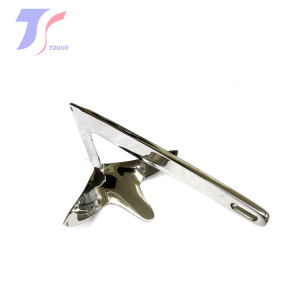
Boat Anchoring Hardware
Category: Marine HardwareBrowse number: 9Number:Release time: 2025-11-16 11:15:07Stainless Steel Boat Anchors: Benefits, Applications & Why They Outperform Traditional AnchorsA boat anchor is one of the most essential pieces of marine equipment—and when it comes to durability, corrosion resistance, and long-term performance, stainless steel anchors stand far above traditional alternatives. Whether you operate a fishing boat, a yacht, a commercial vessel, or a leisure craft, choosing the right anchor can significantly improve safety, vessel stability, and overall boating experience.Among all anchor types, marine-grade 316 stainless steel anchors are particularly valued...
News
Category:
No search results found!
Case
Category:
No search results found!
Video
Category:
No search results found!
Download
Category:
No search results found!
Job
Category:
No search results found!
Featured Products
No search results found!



 WhatsApp
 Phone
Phone